Cybersecurity trends for 2025 and beyond: What you need to know
Discover emerging threats, AI’s impact on cyber attacks, jobs, sustainability, quantum resistance, and compliance.
Explore our five game-changing cybersecurity predictions in 2025 and beyond.
As we move into the AI-driven era, cybersecurity will evolve rapidly. Dive into the trends that will reshape businesses in the next year and learn more about how you can prepare yourself and your business for them.
PREDICTION
01
AI’s Impact on Cyber Attacks: Greater in the Next 12 Months versus the Past 12 Years
For example, when delivering proactive security engagements, we have sometimes encountered situations where our offensive security tools were detected by defensive technology. Sometimes, those detections were brittle enough that making a small change to the tool
allowed it to bypass detection. However, editing and recompiling tools requires skill in software engineering – which not everyone has.
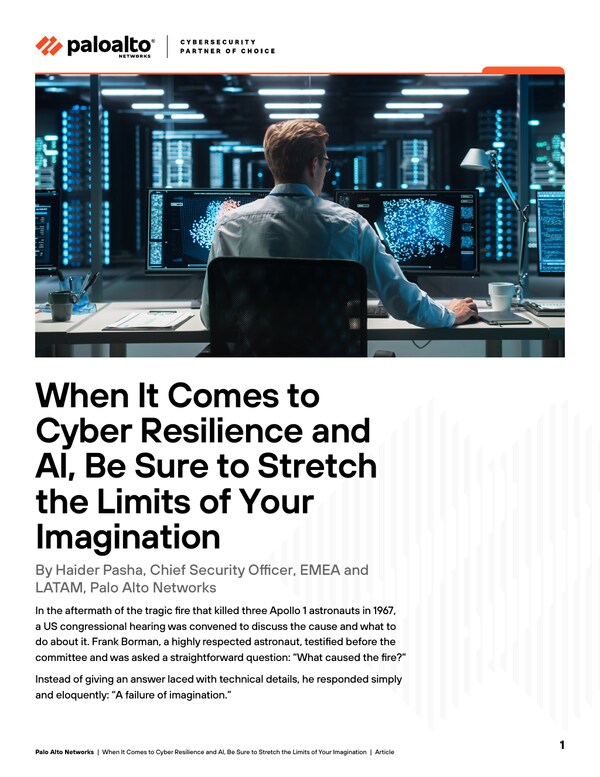
The speed, scale and sophistication of cyber attacks will continue to increase with attacker Mean-Time-to-Compromise (MTTC), and Mean-Time-to-Exfiltrate (MTTE) reduced to a few hours (from days and weeks in past years). AI-based attacks will have a significantly
higher cost impact in the next 12 months than we have seen in the past 12 years… combined. Organizations will begin to move towards proactive and adaptive cybersecurity, which can only be made possible through Modular Platformization.

PREDICTION
02
AI’s Impact on Cybersecurity Jobs: From Job Insecurity to Augmentation & Efficiency
As security Co-pilots evolve from helpful assistants to fully autonomous ‘teammates’, the human job description for every cybersecurity role will need to be re-written. Although this won’t reduce the cyber skills gap in 2025, AI will help cover major tasks that
were traditionally impossible without well-trained humans (ie. SOC Analysts, Developers, etc.), thereby significantly reducing the barrier to entry for non-cyber experts into the field.
PREDICTION
03
AI’s Impact on the Board: Increased Sustainability Pressures for CIOs & CISOs
The growing use of AI in cybersecurity and other business operations requires immense computational power, significantly increasing energy consumption and carbon emissions. As businesses adopt more AI-driven technologies, CIOs and CISOs will face increased
pressure to balance technological advancements with corporate sustainability goals. This will compel organizations to optimize AI models for energy efficiency and adopt greener practices to minimize the environmental impact of their digital infrastructure.

PREDICTION
04
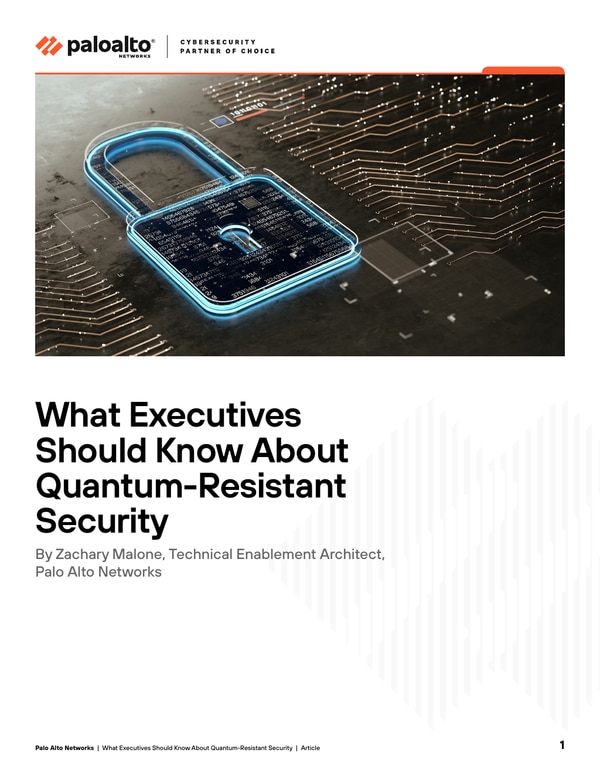
The Year of Quantum-Resistance
In 2024, Chinese researchers successfully broke classic 50-bit RSA encryptions using a quantum annealing computer. Though this is not a case for alarm (RSA uses < 2048 bits), it does further exacerbate a sudden and urgent need for quantum-resistant crypto
algorithms. In 2025, the race to deploy those algorithms will take on a greater focus for CISOs, particularly in Financial Services and those protecting Critical National Infrastructure.
PREDICTION
05
Compliance Redefined: Proving Impact over Intent
With the increase in Cybersecurity related regulations across the EU (NIS2, DORA, AI Act, CRA, etc.), organizations will need to go beyond written, approved and implemented policies. A growing trend towards providing real-time evidence and assurance to regulators
will become a norm, where the board demonstrates the outcome of meeting compliance (impact) rather than just the journey (intent).