Innovation at AI Speed: Why Security is the Bedrock of Brand Trust

Innovation at AI Speed: Why Security is the Bedrock of Brand Trust

By   |  3 min read  | 

We often compare the AI revolution to cloud or mobile. However, that comparison misses the point. Yes, mobile changed access. And the cloud changed infrastructure. But AI is categorically changing the physics of speed.

Innovation cycles that once defined a fiscal quarter are collapsing into days or hours. We are seeing creative campaigns, product prototypes, and entire go-to-market launches happen at a velocity that renders traditional timelines obsolete.

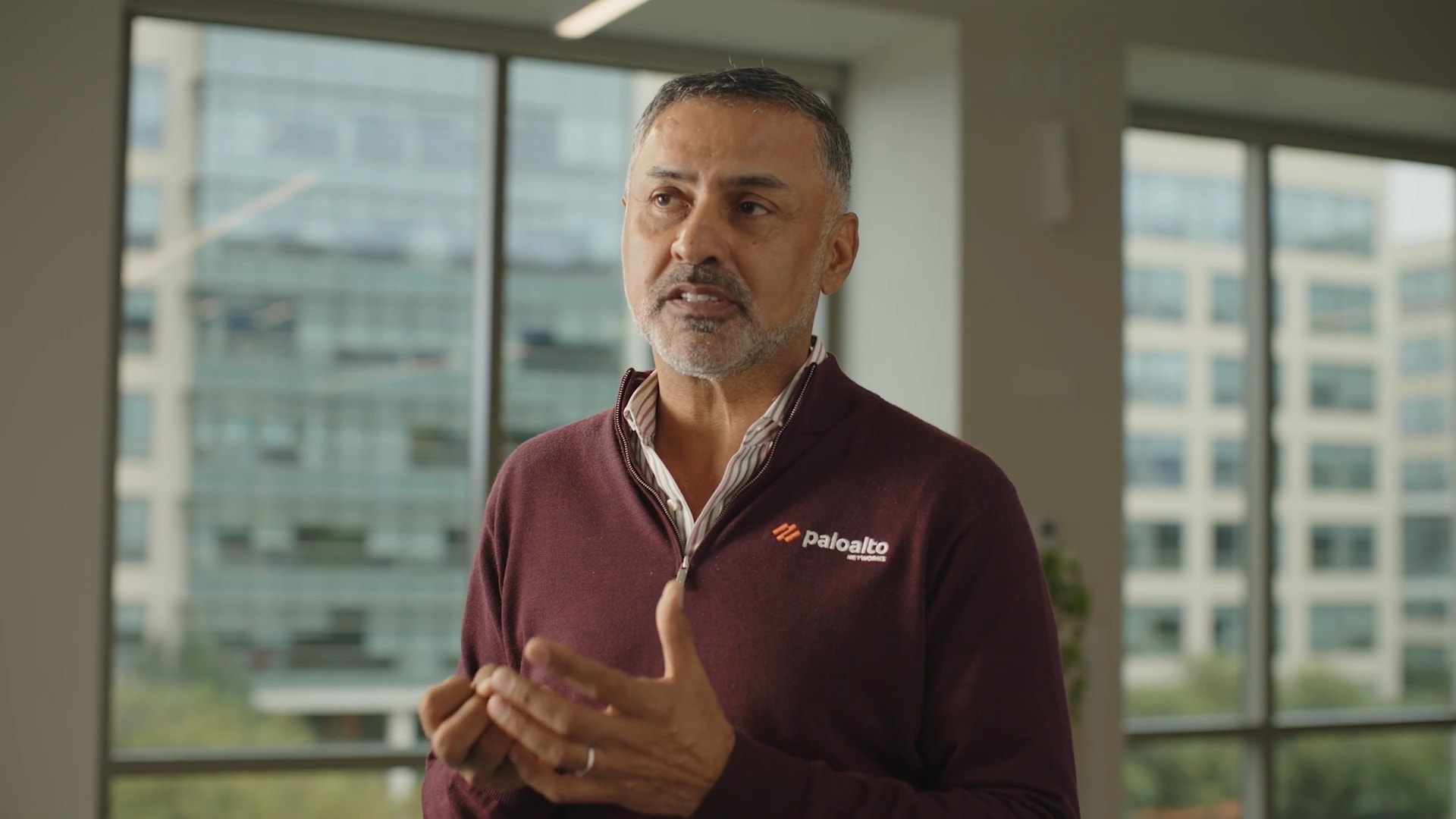
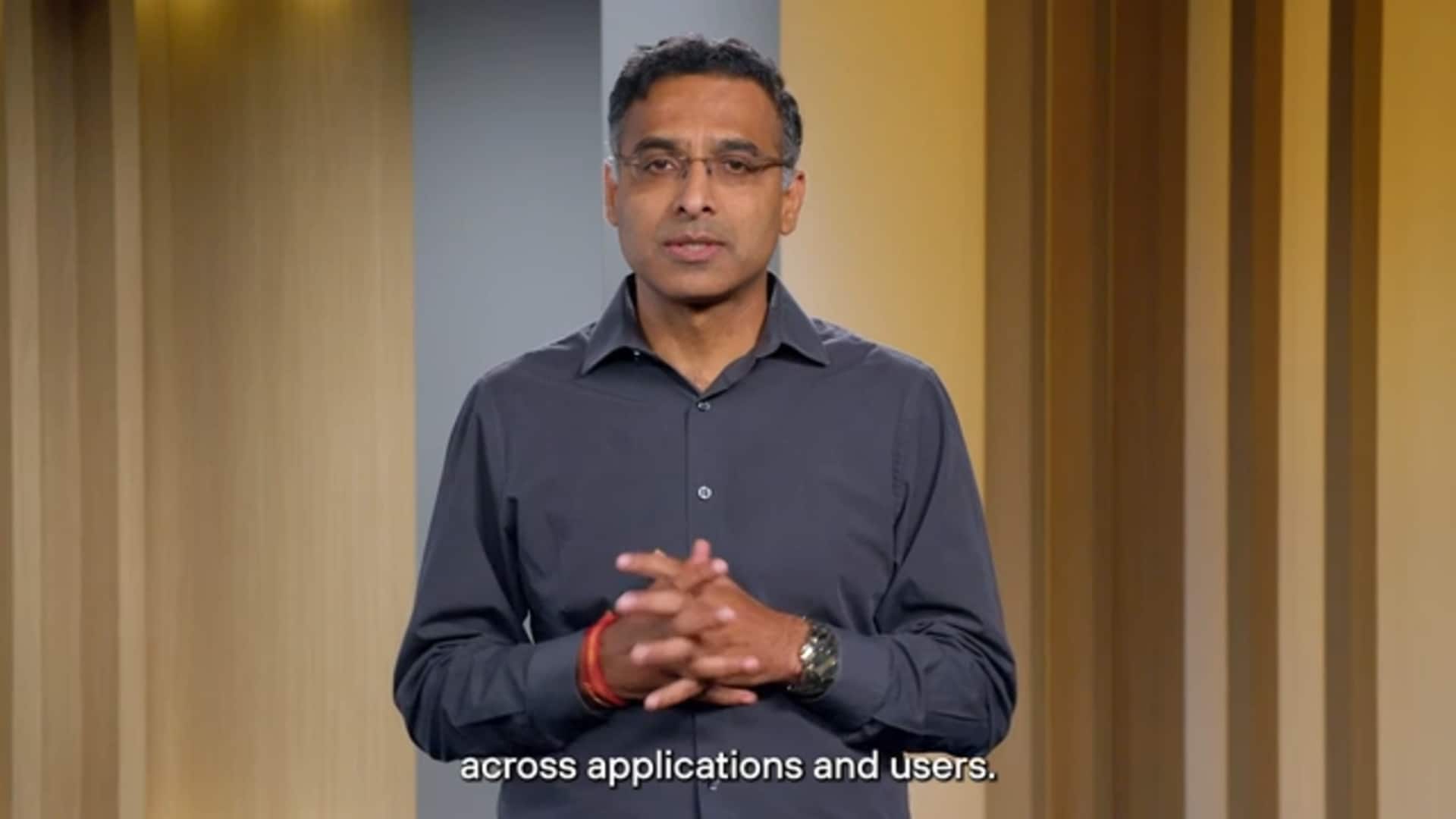
That is exciting, but it can also be unsettling. That’s because the faster you move, the more important trust becomes. As I say in my video, if you build fast without a secure foundation, that speed becomes a liability.

The CMO’s Dilemma: Brand Safety at Scale 

For a CMO, the sheer velocity of AI creates a specific kind of vertigo. When you move from crafting dozens of assets to generating thousands in an hour, relying solely on manual review becomes a bottleneck that halts innovation.

But the answer isn’t to remove the human; it is to scale your oversight.

By baking guardrails into the foundation, you ensure that human reviewers aren’t bogged down by obvious compliance failures. The system handles the baseline safety—blocking dangerous prompts or off-brand content instantly — so your team can focus their “human in the loop” attention on creative excellence and strategy. It allows you to maintain strict oversight without sacrificing speed.

The “Be a Genius” Case Study 

Take our recent “Be a Genius” campaign. We wanted to set a new industry benchmark for speed and efficiency, using AI to move from concept to production in a fraction of the time of traditional methods. But moving at that velocity requires absolute confidence in your security.

Our creative team accessed a variety of AI tools through a secure framework that provided real-time guardrails. By securing the interaction between our people and the models — monitoring prompts and preventing data leakage — we were able to reduce production timelines from months to days. This didn’t just save us time; it gave our team the confidence to experiment with the world’s most powerful AI tools while knowing our brand was protected.

Three Unlocks for the Enterprise

When you stop treating security as a checkbox and start treating it as a foundation for growth, you unlock three things:

  1. Confidence: Customers and employees embrace the tech because they know it’s being handled responsibly.
  2. Agility: Teams can launch fast without fear of unexpected consequences.
  3. Competitive Edge: In a crowded market, trusted AI becomes a powerful differentiator.

If your customers suspect your AI is hallucinating or your data is unsecure, your brand equity evaporates.

That is why, in a market flooded with AI capabilities and “product promises”, trust is the ultimate differentiator. The companies that secure AI end-to-end — from the model to the agent — are the ones that will win the market.

Deploy Bravely 

Over the last two weeks, my colleagues have unpacked the how of enterprise AI—from Strategy and Architecture to Engineering and Governance.

But ultimately, this series isn’t about technology. It’s about confidence.

Security is the difference between watching the AI revolution happen and leading it. It is the license to innovate at speed, knowing your foundation is solid. The future belongs to those who trust their own machines. Deploy Bravely.

This is Part 5 of our Deploy Bravely series.

Still to Come: Meerah Rajavel on why you can’t have effective AI without effective security.

STAY CONNECTED

Connect with our team today