In every company, sensitive data lives in places security teams cannot always see. It’s not encrypted. It’s just out of reach, overlooked, or forgotten.
For instance, imagine a folder of M&A plans from three years ago, sitting on a server nobody manages. Or a developer’s test script with real customer data embedded in it, saved to a personal drive. Similarly, a draft press release with next quarter’s earnings, accidentally synced to a public cloud folder.
This is shadow data. It’s the critical, sensitive information that exists outside the reach of your standard security tools and protocols. When teams don’t know it exists, they can’t protect it. It’s your biggest blind spot, leaving a wide-open door for accidental leaks, compliance failures, or targeted attacks.
The question that keeps security leaders up at night isn't just, "Are we protecting our known data?" It's, "What about the data we don't even know we have?"
Shining a Light in the Dark with AI
Traditional security tools work on a simple premise: they can protect what they can see. However, shadow data challenges that model because the riskiest data often sits outside normal visibility.
Imagine an AI-powered approach that systematically uncovers your hidden data, helps you understand its risk in seconds, and gives you the power to protect it quickly. Here’s a simple four-step journey from darkness to defense.
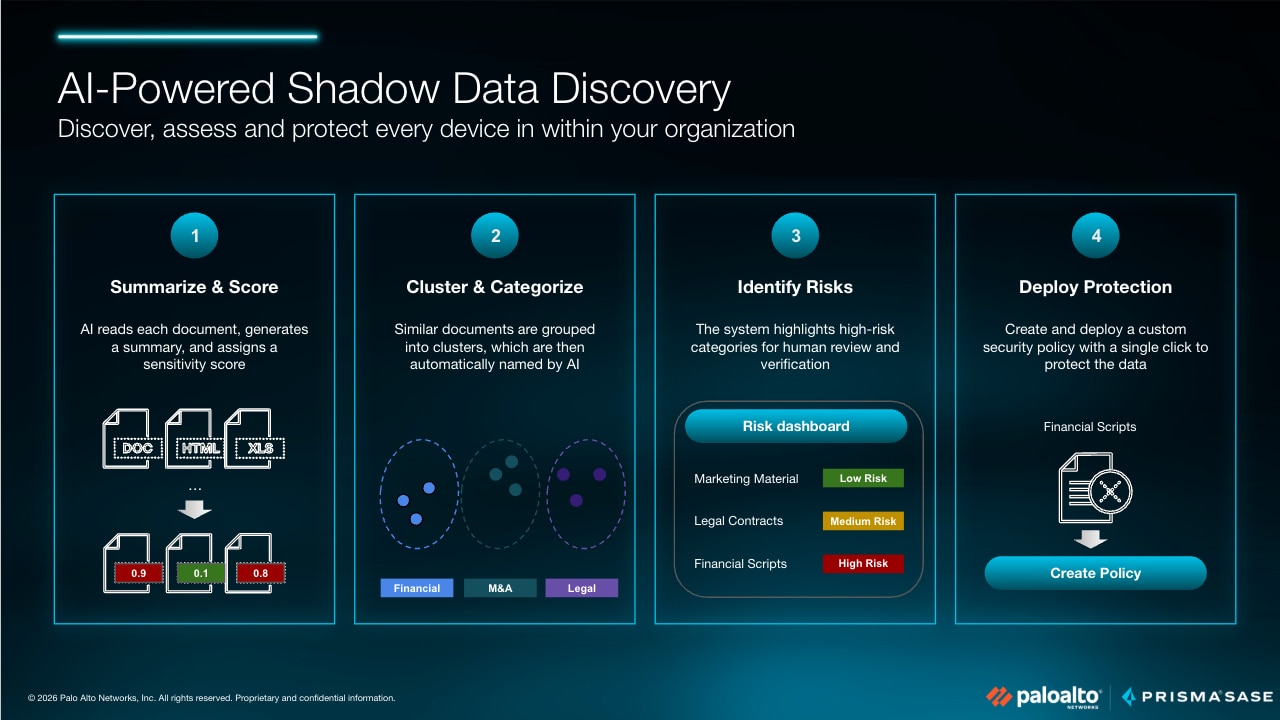
Figure 1. Overview of AI-Powered Shadow Data Discovery Path
Step 1: Instantly Understand What Your Data Is and Why It Matters
The AI would act like a tireless analyst, reading every single file in your environment, and checking if it is sensitive. It doesn't just scan for keywords. Instead, it understands context. For each document, it could generate a simple, one-sentence summary. As a result, you know a file's purpose without opening it.
Next, a second AI model, trained by security experts, would assess that summary and assign a clear sensitivity score.
- High Risk Example: A summary like, “A Python script for directly accessing and modifying the company’s production financial database,” would be flagged as highly sensitive. If leaked, this could be catastrophic.
- Low Risk Example: A summary like, “Publicly available marketing brochures for the new product launch,” would be recognized as low risk because it contains no confidential information.
Step 2: See the Big Picture with an Automated Data Map
Once the AI understands individual files, it would connect the dots across your environment. Think of it as an automated digital librarian, intelligently grouping files by content and purpose.
An LLM would then analyze each cluster and surface a clear, human-readable name and description, like "Q3 Financial Planning Documents" or "Customer Support Credentials." As a result, a mountain of unstructured files becomes an organized, understandable map of your data landscape.
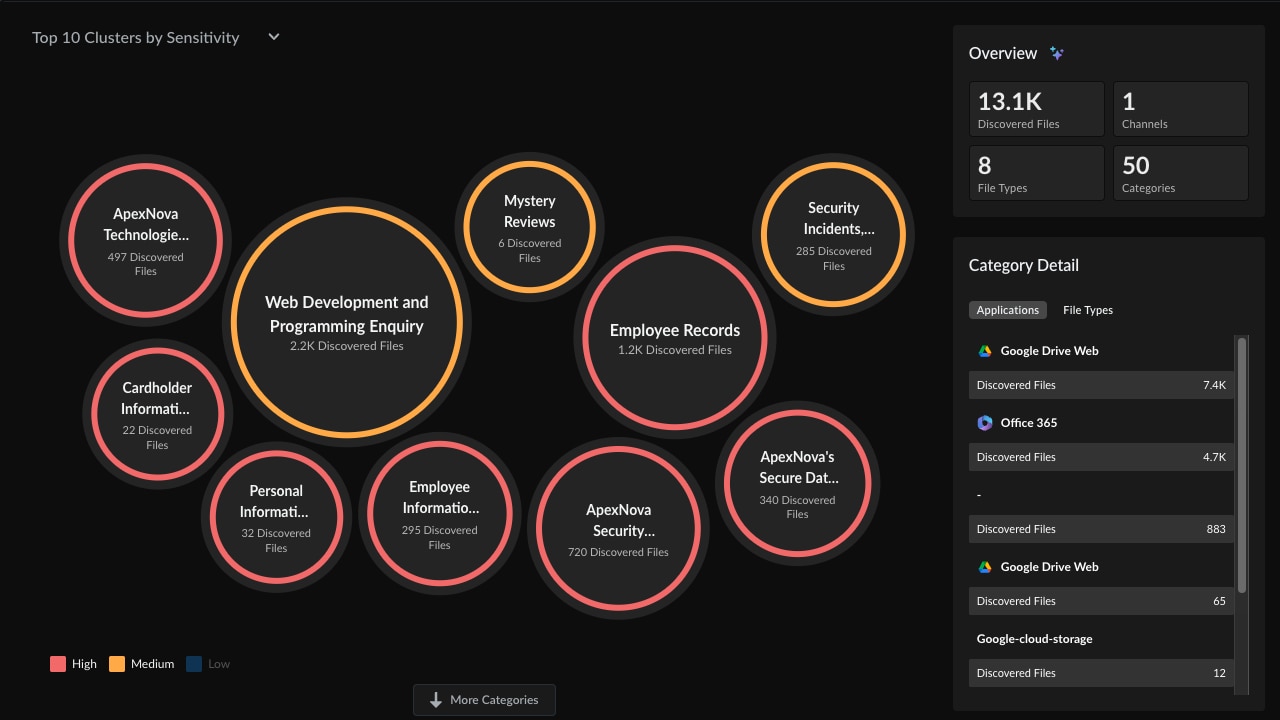
Figure 2. Top 10 Shadow Data Cluster By Severity
Step 3: Pinpoint Your Hidden Shadow Data Risks
With data automatically organized, the system would serve as your co-pilot, highlighting the categories that pose the greatest risk. In particular, it would flag groups of documents containing highly sensitive information, login credentials, or other confidential data that isn't being monitored.
However, security teams would always remain in control: able to explore any recommended category, review summaries, and confirm the findings before taking any action. This human-in-the-loop design improves accuracy and helps teams prioritize what needs immediate protection.
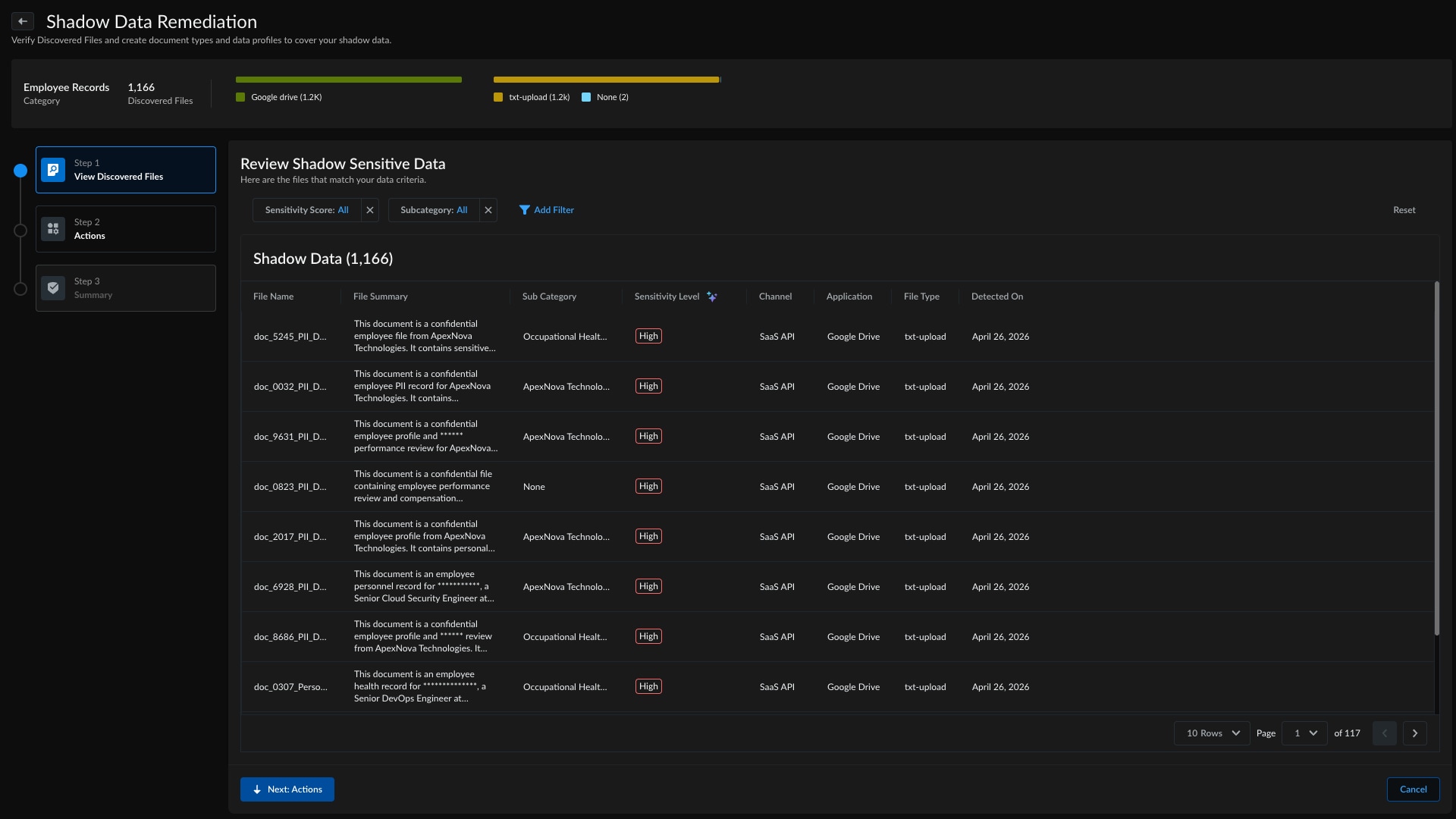
Figure 3. View Discovered Files Under The Employee Records Cluster
Step 4: Go From Discovery to Defense
This is where everything comes together. Once a category of shadow data is confirmed, they need a fast path to protection.
The system would generate a custom security policy for that specific data profile. Then, any matching file, new or old, can be monitored and protected according to the rules team set, In other words, shadow data no longer has to live in the dark.
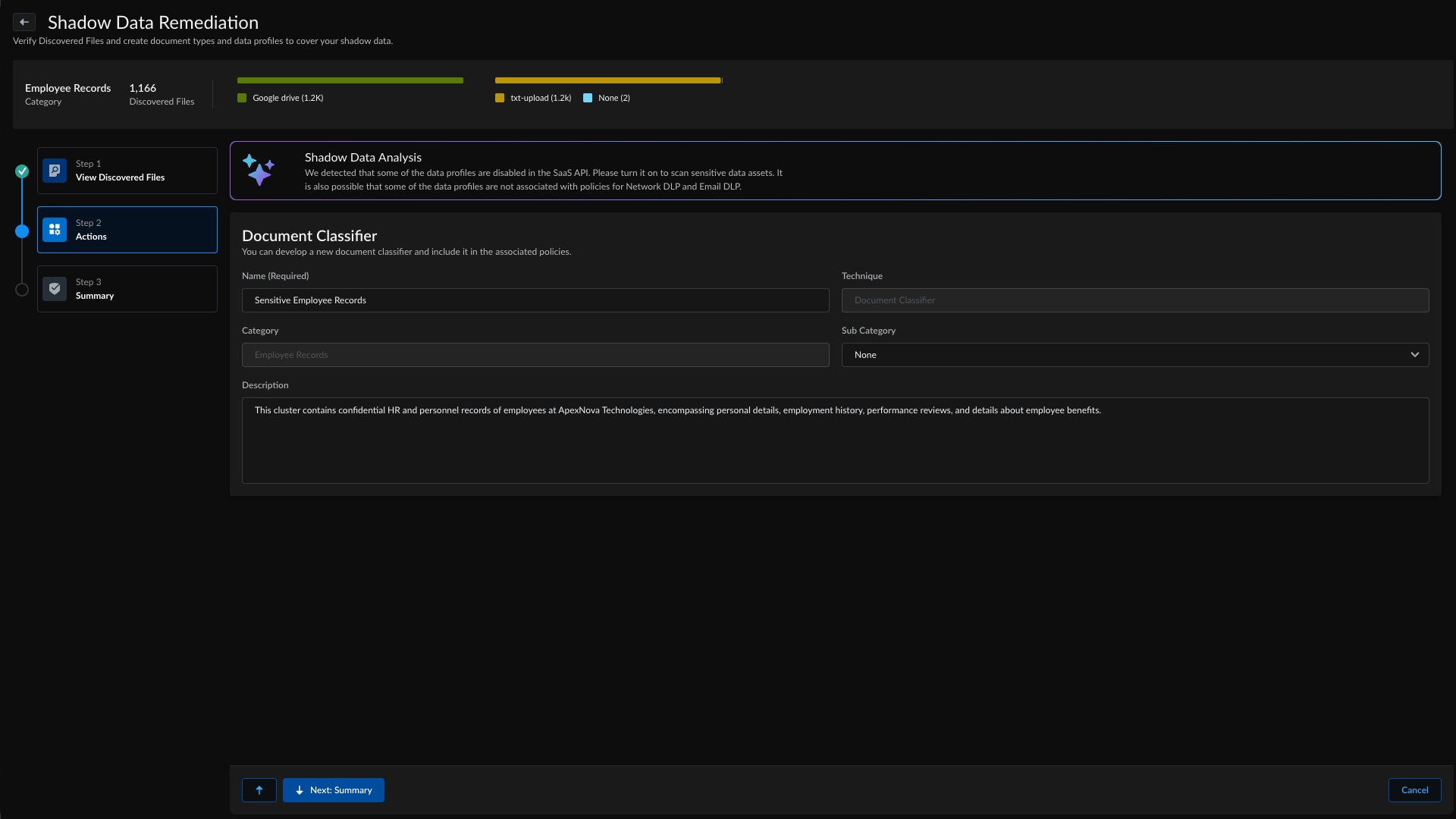
Figure 4. Develop A New Document Classifier To Include In The Associated Policies
From Reactive Fear to Proactive Confidence
Shadow data is one of the most persistent and unnerving challenges in security. Often, teams only discover it after a leak, audit issue, or security incident.
With an AI-powered discovery engine, security teams can shift from reactive response to proactive protection. The goal is simple: give security teams the visibility to see every corner of your data landscape and the control to protect what matters most.
It’s time to turn on the lights.
Visit the Palo Alto Networks’ Enterprise Data Loss Prevention solution page to learn more.
Forward-Looking Statements
This blog contains forward-looking statements that involve risks, uncertainties and assumptions, including, without limitation, statements regarding the benefits, impact, or performance or potential benefits, impact or performance of our products and technologies or future products and technologies. These forward-looking statements are not guarantees of future performance, and there are a significant number of factors that could cause actual results to differ materially from statements made in this blog, including, without limitation: developments and changes in general market, political, economic, and business conditions; risks associated with managing our growth; risks associated with new products and subscription and support offerings; shifts in priorities or delays in the development or release of new offerings, or the failure to timely develop, release and achieve market acceptance of new products and subscriptions as well as existing products and subscription and support offerings; failure of our business strategies; rapidly evolving technological developments in the market for security products and subscription and support offerings; our customers’ purchasing decisions and the length of sales cycles; our competition; our ability to attract and retain new customers; and our ability to acquire and integrate other companies, products, or technologies. We identify certain important risks and uncertainties that could affect our results and performance in our most recent Annual Report on Form 10-K, our most recent Quarterly Report on Form 10-Q, and our other filings with the U.S. Securities and Exchange Commission from time-to-time, each of which are available on our website at investors.paloaltonetworks.com and on the SEC's website at www.sec.gov. All forward-looking statements in this blog are based on information available to us as of the date hereof, and we do not assume any obligation to update the forward-looking statements provided to reflect events that occur or circumstances that exist after the date on which they were made.